
Health & Safety Policy — Flat Clearance Barking
Purpose: This document sets out the health and safety policy for our flat clearance operations. It describes how our flat clearance service and rubbish removal teams will manage hazards, protect staff, residents and visitors, and maintain safe working conditions during clearances of domestic properties. The policy applies to all employees, contractors and anyone engaged in waste removal, junk clearance, furniture disposal or related site duties.Policy Statement
We are committed to providing a safe environment and ensuring risks are minimised. Our approach to safety ensures that clearance work is planned, supervised and completed with appropriate controls. The flat clearance company will take a proactive stance to identify risks associated with bulk rubbish disposal, skip loading, manual handling and the transport of waste, and will take steps to eliminate or control those risks.
Scope and Objectives
The objectives of this policy include: preventing injury and ill health, ensuring legal compliance, and promoting continuous improvement in safety performance. This policy covers:- Domestic flat clearance, attic and basement rubbish removal;
- Clearing communal areas, stairwells and small gardens;
- Handling and segregation of waste for recycling, reuse or disposal.
Responsibilities — Responsibility for health and safety is shared. Senior management will provide leadership, resources and oversight. Supervisors and team leaders will ensure that risk assessments are carried out, safe systems of work are in place and that staff are competent. Individual operatives must work safely, use provided equipment correctly and wear required protective equipment.
 Risk assessment and method statements — Before any clearance work starts a documented risk assessment and where necessary a method statement will be prepared. These assessments will consider manual handling risks, potential asbestos or hazardous substances, sharps and needles, trip and fall hazards, vehicle movements and the need for PPE. Control measures will be proportionate to the identified risks and frequently reviewed on-site.
Training and competence — All operatives will receive induction training and role-specific training such as safe manual handling, equipment use (trolleys, sack trucks, power tools), and safe loading of vehicles. Toolbox talks will be held regularly to reinforce safe working practices and to address specific hazards encountered on particular jobs.
Operational Controls
Key controls used across our rubbish company and clearance operations include:- Pre-job site inspection and communication of hazards;
- Use of appropriate personal protective equipment (PPE) — gloves, hi-vis, steel-toe boots, eye protection;
- Safe manual handling techniques and mechanical aids to reduce lifting risks;
- Segregation of hazardous materials and prompt reporting of suspected asbestos or chemical waste;
- Clear marking of routes and vehicle exclusion zones to manage vehicle and pedestrian interactions.

Incident reporting and emergency procedures
In the event of an accident or dangerous occurrence, operatives must follow the established emergency procedures. First aid provision must be accessible and personnel trained to administer basic first aid. All incidents and near misses must be reported and recorded so that corrective actions can be implemented and similar events prevented.Equipment and vehicle safety — Vehicles and tools used for clearance work will be subject to regular maintenance and inspection. Drivers and operators will be trained and authorised. Load security, weight limits and safe access to vehicles are strictly enforced to avoid overturns, falls from height and load shifts during transit.

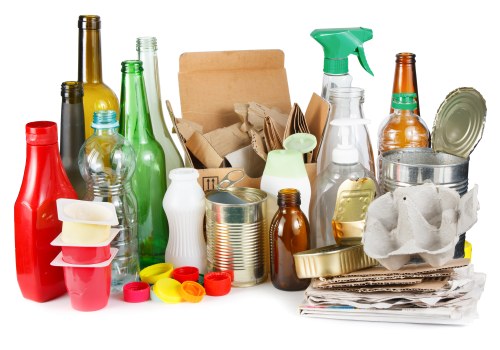
Managing hazardous and recyclable waste
The disposal of potentially hazardous items (e.g., batteries, solvents, asbestos-containing materials) will follow specific protocols. When items are suspected to be hazardous, work will stop until appropriate advice is sought and specialist removal arranged. We commit to maximise reuse and recycling from clearance jobs and to ensure that residual waste is transferred to licensed waste carriers or authorised facilities.Monitoring, review and continuous improvement — Our health and safety performance will be monitored through regular inspections, audits and review of incident data. Actions from audits and feedback will be used to update risk assessments, training and procedures. This policy will be reviewed annually or following a significant incident or operational change to ensure it remains suitable, adequate and effective.
Enforcement and compliance — Compliance with this policy is mandatory for everyone working on clearance projects. Failure to follow safety procedures may result in disciplinary action. We expect full cooperation from staff, contractors and partners to maintain a safe working environment at all times.
Conclusion: This Health & Safety Policy underpins our commitment to safe flat clearance and waste removal practices. It defines responsibilities, systems and standards to protect people and property while delivering professional clearance services. Each employee and contractor is encouraged to take personal responsibility for safety, to challenge unsafe acts and to contribute to ongoing improvement.