Flat Clearance Barking: Recycling and Sustainability Commitment
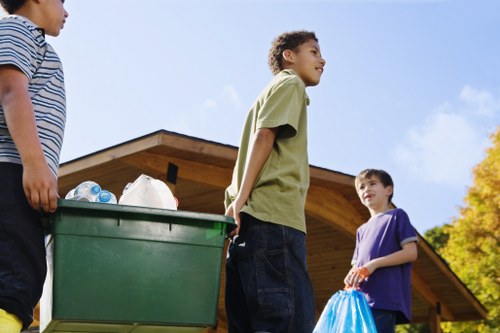 At Flat Clearance Barking we treat every job as an opportunity to support an eco-friendly waste disposal area across the borough. Our approach to flat clearance in Barking emphasises material recovery, re-use and minimising landfill. We take pride in transparent, measurable targets and active collaboration with local authorities to make neighbourhood clearances part of a wider circular economy. Every item salvaged is a carbon saving and a resource kept in circulation.
We have set a clear recycling percentage target to drive continuous improvement: a borough-wide aim to achieve a 65% recycling rate by 2028 for all materials handled through our services. This target for sustainable rubbish area outcomes is accompanied by process checks, reporting and route-level optimisation. Targets are backed by audits, training and investments in low-impact transport.
 The borough’s approach to waste separation informs how we work on-site and at transfer points. Typical local streams include:
- Paper and card collected separately for recycling;
- Mixed plastics and cans sorted for material recovery;
- Glass and food waste diverted to specialist processing;
- Textiles and small electricals (WEEE) channelled for re-use or specialist recycling.
We prioritise partnerships with charities and social enterprises to maximise reuse. Bulky furniture, working appliances and surplus household items are offered to local charities, community re-use schemes and social projects before considering disposal. Through these networks, items removed during Barking flat clearance jobs gain a second life, supporting local families and reducing the environmental burden of new production.
Local transfer stations and responsible processing
We consolidate recovered materials at authorised local transfer stations and materials recovery facilities. Typical transfer points serving east London — including nearby transfer stations such as Dagenham Dock and Beckton — receive sorted loads where further separation and processing take place. These facilities help ensure that recyclables from a Barking flat clearance are forwarded to the correct recycling streams rather than being lost to mixed waste.
 Our fleet strategy is central to delivering a low-carbon service. We operate a combination of electric vans and modern low-emission vehicles, use route optimisation software and maintain a low-carbon van policy to reduce emissions per job. This means fewer miles, cleaner air and a smaller operational footprint when performing Barking flat clearance or large-scale rubbish removals.
Responsible disposal in a sustainable rubbish area also covers hazardous and specialist wastes. We segregate items like batteries, paints, solvents and electronics so they are handled by licensed processors. For small quantities encountered during flat clearance in Barking flats, these items are recorded and transported to appropriate hazardous waste facilities that meet environmental and safety standards.
Community engagement and measurable progress
Our recycling percentage target is more than a number: it drives engagement with residents and landlords, encouraging correct separation at source. We report diversion rates quarterly, share data with local stakeholders and work with the borough’s waste teams to align collection calendars and service points. Community collections, pop-up reuse events and collaborative drop-offs are all part of the strategy to hit the 65% goal.
Separation at source remains one of the most effective tools for sustainable waste management. The Barking area typically collects food waste, glass, paper/card, plastics & cans separately; by matching our clearance sorting to these streams we reduce cross-contamination and improve recycling yields from every flat clearance project.
Training of crews and in-field quality control are essential. Crew members are trained to identify items suitable for donation, reuse, or specialist recycling, and to document material flows. Simple on-site decisions — like setting aside a wardrobe rather than breaking it down — can preserve value and prevent unnecessary processing. We favour partnerships with local social enterprises that can repair or refurbish items for resale or direct reuse.
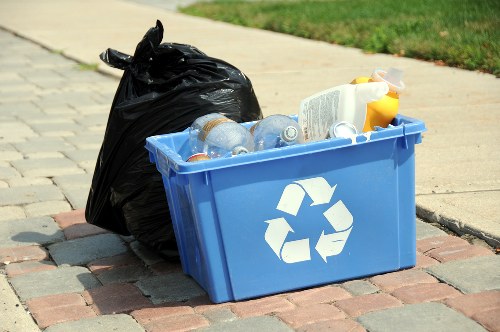 We also work to align with recognised environmental standards and pursue continuous improvement through regular reviews. Fleet electrification, supplier assessments and greater use of re-use hubs are part of our roadmap. Where possible we prioritise collection schedules that reduce empty return trips and engage with borough initiatives to promote neighbourhood-level circularity.
 In summary, Flat Clearance Barking is committed to delivering an eco-conscious, efficient and socially responsible flat clearance service. By combining a clear recycling percentage target, collaboration with local transfer stations, partnerships with charities and a low-carbon van fleet, we aim to transform the way clearances contribute to a sustainable rubbish area. Our focus is on maximizing reuse, minimising waste and reporting progress in support of a greener Barking and surrounding communities.